
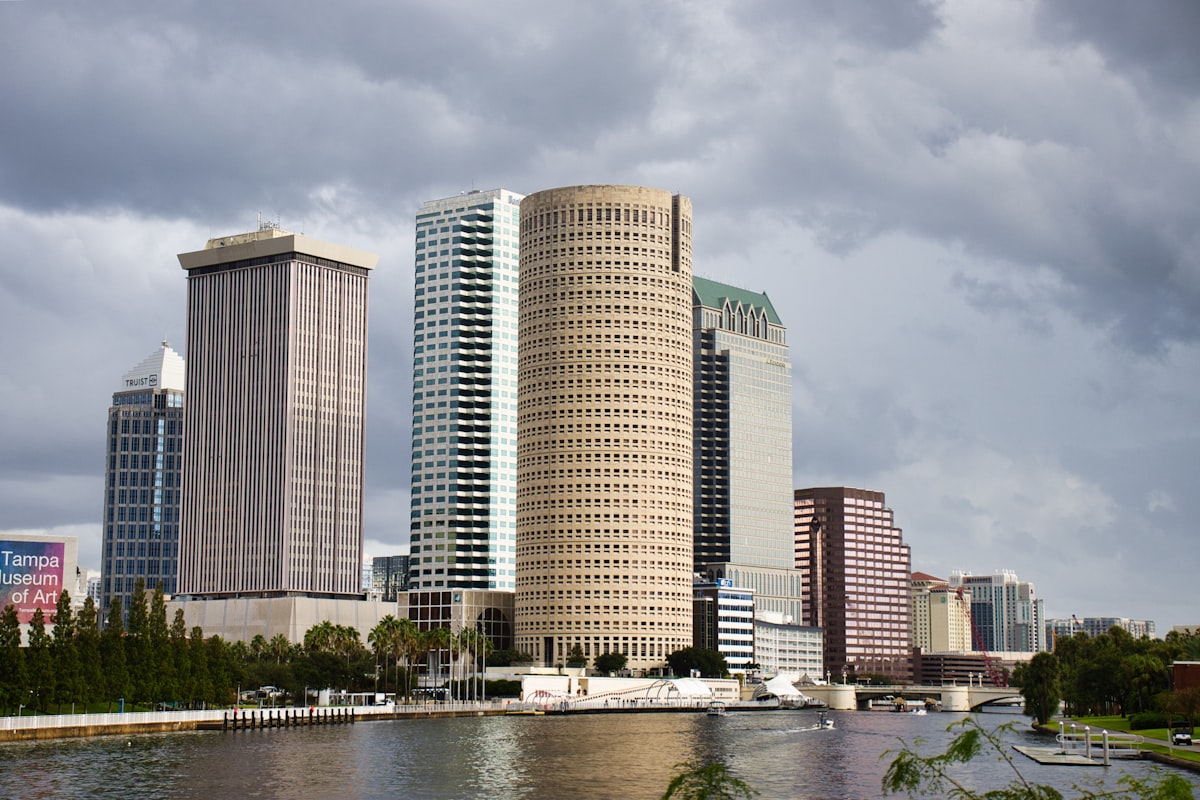
Understanding the Current Rental Market Landscape
The national rental market in 2026 is witnessing notable shifts, with a prevalent trend of declining rents. According to recent reports, the average rent across the United States has decreased by approximately 4% compared to the previous year. This decline is partially attributed to various factors that are reshaping the rental landscape, including economic changes, demographic shifts, and increased housing supply. It is essential for landlords, property managers, and investors to understand these dynamics to make informed decisions.
One of the primary factors contributing to the decrease in rental prices is the increased supply of rental units in many urban areas. Developers are responding to the demand for affordable housing, leading to an oversaturation of rental options in certain markets. Additionally, economic challenges such as inflation and fluctuating interest rates are affecting renters' affordability, forcing landlords to lower rents to attract tenants.
However, it is crucial to note that while national trends provide a broad perspective, local markets often tell a different story. Understanding the specific dynamics of local rental markets is vital for making accurate assessments. For example, while average rents may decline nationally, certain cities may experience stability or even growth due to unique local factors such as job opportunities or quality of life improvements.
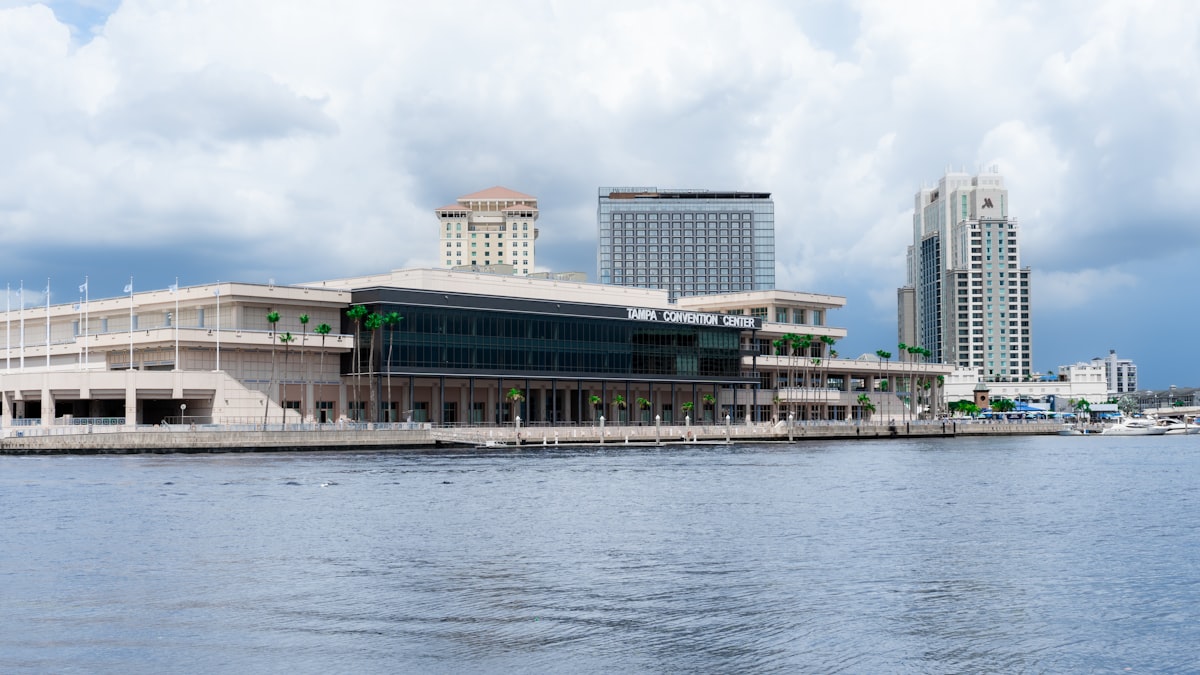
Tampa: A Closer Look at Declining Rents
Focusing on specific markets, Tampa has experienced a 2.5% year-over-year decrease in median rent prices. This decline can be attributed to several factors, most notably an increase in vacancy rates, which have risen to nearly 7% in the past year. With more available units, landlords are forced to adjust rental prices to attract potential tenants. As a result, Tampa is increasingly becoming a 'renter-friendly' market.
Several elements contribute to this shift in Tampa. The influx of new developments, particularly in the downtown area, has led to a surplus of available rental properties. Moreover, the economic landscape in Tampa, which includes steady job growth in sectors like healthcare and technology, is attracting renters looking for quality living options. However, the competition among landlords for tenants has intensified, leading to price reductions.
The current market scenario also reflects a broader trend observed in similar metropolitan areas, where increased supply coupled with fluctuating demand results in lower rental prices. As renters have more choices, landlords must remain proactive in maintaining competitive pricing while also enhancing property appeal through amenities and improved leasing strategies. This is where tools like AiScriba can make a difference, as they help manage inquiries and appointments efficiently, allowing landlords to focus on enhancing tenant experiences.
St. Louis: Balancing Act in Rent Prices
Turning our attention to St. Louis, the rental landscape shows a slight 0.2% decrease in median rent figures. The city has maintained a relatively balanced market, where supply and demand dynamics play a critical role in determining prices. Unlike Tampa, St. Louis is not experiencing the same level of oversaturation, which helps keep rent fluctuations minimal.
The balanced market scenario means that while vacancy rates have also increased to around 5%, the competition among landlords has not intensified to the same degree as in other cities. This provides both landlords and renters with a steady environment. However, the slightly declining rent prices indicate that negotiations are possible, providing opportunities for renters to find more affordable housing options.
As the rental market evolves, landlords in St. Louis must be attentive to changing tenant preferences. With remote work becoming increasingly prevalent, many renters are seeking more space and amenities in their living environments. This trend can influence negotiations and pricing strategies as tenants weigh their options amidst a stable yet competitive market.
The Role of Economic Factors in Rent Declines
The dynamics of the rental market are inherently linked to broader economic factors. Key indicators such as job growth, unemployment rates, and inflation play significant roles in shaping rental prices. In recent years, economic uncertainty has led to shifts in renter preferences and behaviors. For example, as inflation rises, the cost of living increases, making it more challenging for renters to afford higher rent prices.
The impact of unemployment rates cannot be overlooked either. Regions experiencing high unemployment tend to see a decline in rental prices, as fewer individuals are able to afford housing. Conversely, areas with strong job growth often see rental prices increase due to heightened demand. Recent statistics indicate that cities with a job growth rate exceeding 3% are less likely to experience declining rents.
Additionally, rising interest rates can deter potential homebuyers, pushing more individuals into the rental market. This influx can initially drive up demand for rental units, but if the economic climate deteriorates and unemployment rises, the tables can quickly turn. Understanding these economic fluctuations is essential for landlords and investors, as they can directly affect rental strategies and market positioning.
Demographic Shifts and Their Impact on Rental Markets
The rental market is also significantly influenced by demographic changes. Two notable generations, Millennials and Gen Z, are shaping the landscape in different ways. Millennials, who are now in their late 20s to early 40s, are often seeking larger living spaces and amenities that cater to their lifestyles. In contrast, Gen Z, entering the rental market, tends to prioritize affordability and location over space.
The rise of remote work has further complicated this dynamic. Many individuals are no longer tethered to their physical workplace and are exploring housing options in suburban areas or smaller cities where rent is more affordable. This shift has led to increased rental demand in regions that were previously less desirable, impacting pricing and availability.
Additionally, trends in household formation are changing as younger individuals delay marriage and family formation. This behavior results in a greater number of single-person households seeking rental properties, further influencing demand in urban environments. Understanding these demographic trends will be crucial for landlords and property managers as they adapt their offerings to meet the evolving needs of renters.
Comparative Analysis: Rents in Major U.S. Cities
When comparing rents in major U.S. cities, it is clear that trends differ significantly across regions. While Tampa and St. Louis are experiencing declines, other metropolitan areas such as New York City and San Francisco are witnessing a resurgence in rental prices following a period of decline during the pandemic. This variation highlights the importance of localized market analyses.
For instance, while Tampa's median rent is decreasing due to rising vacancy rates and increased supply, cities like Austin and Nashville are seeing stable growth due to ongoing job opportunities and an influx of new residents. These regional variations indicate that urban living is still highly sought after in many areas, while suburban markets are also gaining traction among renters looking for affordability and space.
As these trends continue to evolve, landlords and investors should remain vigilant about market conditions in their areas. Understanding the interplay between urban and suburban living preferences and how they affect rental demand can provide valuable insights into future investments and property management strategies.
Implications for Landlords and Property Managers
The current rental market dynamics present both challenges and opportunities for landlords and property managers. With declining rents and increased vacancy rates, it is crucial to develop effective strategies to adapt to this changing environment. One key approach is to enhance tenant retention strategies, as keeping current tenants can reduce turnover costs and maintain steady rental income.
Landlords should also invest in property marketing to stand out in a crowded market. This involves utilizing online platforms, professional photography, and virtual tours to showcase properties effectively. Additionally, leveraging services like AiScriba can streamline communication and appointment scheduling, ensuring that potential tenants receive prompt responses to inquiries.
Moreover, creating a community-centric environment within rental properties can enhance tenant satisfaction. This may include organizing events or providing communal spaces that encourage interaction among residents. By fostering a sense of community, landlords can increase tenant loyalty and reduce turnover rates.
Future Predictions: What Lies Ahead for Rental Prices
Experts in the real estate industry predict that rental trends will continue to evolve in the coming years. While current declines may be concerning, several factors could contribute to stabilizing or even reversing these trends. For instance, improvements in the economy, job growth, and a resurgence in demand for urban living could lead to an uptick in rents.
One potential external factor to consider is the impact of government policies aimed at addressing the housing crisis. Initiatives to increase affordable housing supply or provide financial assistance to renters could positively influence the rental market. Conversely, ongoing inflation and rising interest rates may continue to challenge renters' affordability and dampen demand.
Long-term considerations for investors must take into account the changing demographics and preferences of renters. As younger generations seek more amenity-rich living spaces and prioritize location, adapting properties to meet these demands will be essential. Additionally, keeping a pulse on local market dynamics and economic indicators will be crucial for making sound investment decisions.
Conclusion: Navigating the Changing Rental Landscape
In summary, the current downward trend of rents reflects a complex interplay of economic factors, demographic shifts, and evolving market dynamics. Understanding these trends is vital for landlords, property managers, and investors looking to navigate this changing landscape effectively. By staying informed about local market dynamics and adapting strategies accordingly, stakeholders can position themselves for success amidst ongoing challenges.
As we move forward into an uncertain future for rental prices, proactive engagement with market trends will be key. Whether you are a landlord looking to optimize your properties or a renter seeking affordable housing, being informed and adaptable will serve you well in this evolving rental environment. It’s essential to remain connected to the local market and consider leveraging modern tools and technologies to enhance your approach.