
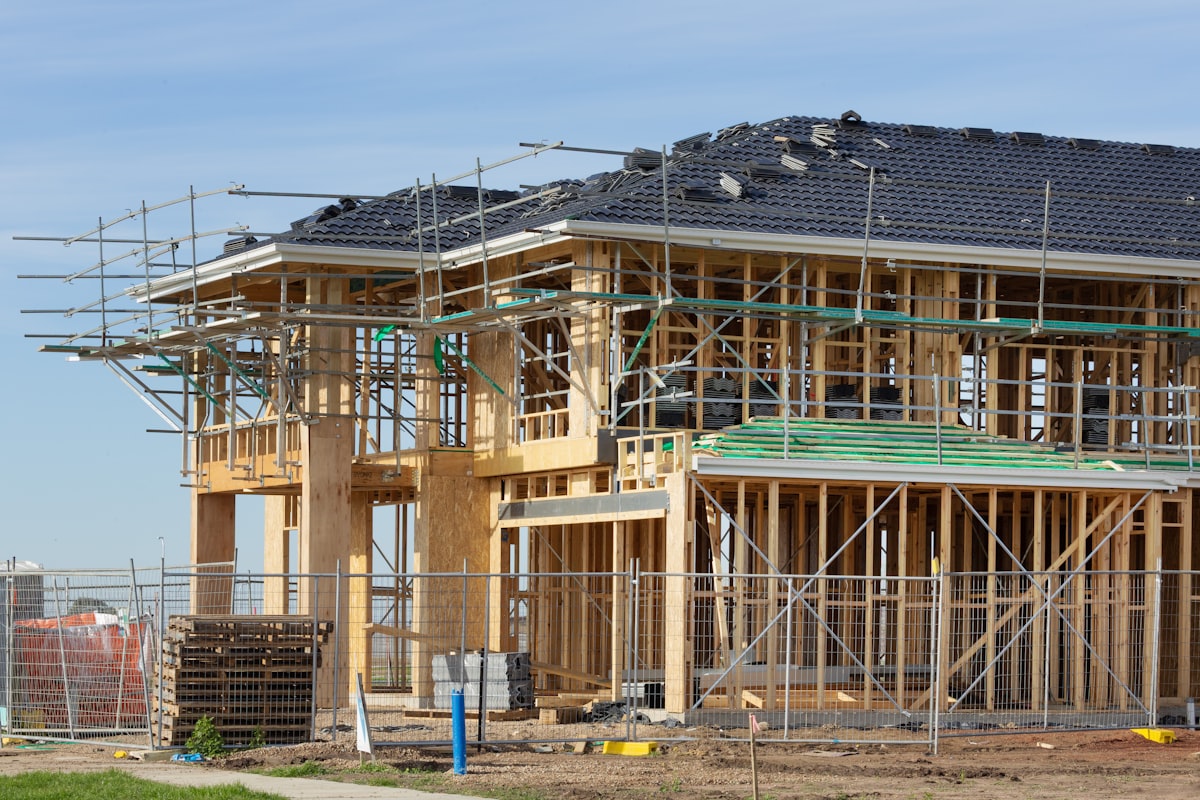
Overview of the Housing Bill
The recent housing bill represents a pivotal step towards addressing the ongoing housing crisis in the United States. Designed with several objectives in mind, the legislation aims not only to enhance home affordability for average Americans but also to expedite construction processes and improve financing options. As we delve into this comprehensive overview, it’s essential to understand the legislative journey that brought this bill to fruition and the key stakeholders who played a crucial role in its development.
The bill emerged amid growing concerns about skyrocketing home prices, limited inventory, and the increasing challenges faced by first-time homebuyers. In a climate where homeownership has become an elusive dream for many, the objectives of the housing bill target these issues directly. Major points of focus include reducing construction costs, streamlining regulatory processes, and enhancing access to affordable financing options.
The legislative journey leading to the approval of the bill was anything but straightforward. It involved extensive negotiations among lawmakers, stakeholders, and advocacy groups, all of whom had their own perspectives on how best to tackle the housing crisis. The bill was subject to various amendments and revisions as it made its way through committees and debates, reflecting the different priorities and concerns of various parties involved.
Key stakeholders in the bill's development included legislators from both sides of the aisle, housing advocacy organizations, real estate professionals, and construction industry representatives. Each group brought unique insights and experiences to the table, ultimately shaping the provisions included in the final version of the bill. The collaborative effort underscored the bill's potential to make a meaningful impact on the housing landscape.

Key Provisions of the Bill
The housing bill is packed with approximately two dozen provisions aimed at addressing pressing concerns in the real estate market. To summarize, the bill introduces specific measures designed to reduce construction costs, simplify the home financing process, and promote affordable housing developments. Each of these provisions targets critical barriers to homeownership, seeking to make the dream of owning a home more attainable for individuals and families across the nation.
One of the key provisions focuses on reducing construction costs. The bill aims to streamline the permitting process by establishing standardized timelines for local approvals. This not only helps to minimize delays but also encourages more developers to enter the market, thereby increasing housing supply. Additionally, the bill includes incentives for using sustainable building practices and materials, reducing overall costs while benefiting the environment.
Another crucial aspect of the legislation is the simplification of home financing for buyers. The bill proposes new financing options that aim to lower the barriers to entry for first-time homebuyers. These measures include expanded access to down payment assistance programs and favorable loan terms that could lead to lower monthly payments. By making financing more accessible, the bill seeks to broaden the pool of potential homeowners.
Furthermore, the introduction of programs for reducing interest rates for certain demographics, such as low-income families or veterans, aims to ensure that financing is not just a theoretical option but a practical reality for many. This multifaceted approach to both construction costs and financing is designed to work in tandem, creating a more favorable market for prospective homebuyers.

Impacts on Home Affordability
The housing bill's central aim is to enhance home affordability for average Americans, a goal that resonates deeply with today’s housing market realities. With the average home price skyrocketing in recent years, many individuals and families have found themselves priced out of the market. The bill seeks to address this pressing concern by implementing measures that have the potential to influence home prices and improve market accessibility.
One of the most significant ways the bill aims to make homes more affordable is by increasing the supply of housing through expedited construction processes. By streamlining the approval and construction of new housing units, the bill tackles the supply-demand imbalance that has driven prices upward. Historical data indicates that when supply keeps pace with demand, home prices tend to stabilize or even decline, making homeownership more accessible.
Case studies from regions that have enacted similar legislation provide valuable insights into the potential effects of this bill. For instance, in California, legislation aimed at easing zoning restrictions and expediting the construction of new homes has led to a noticeable increase in housing supply, stabilizing prices in several key markets. Such outcomes illustrate the importance of addressing both supply-side and demand-side factors to foster a healthier housing market.
Moreover, the bill's provisions aimed at simplifying financing for buyers play a crucial role in enhancing affordability. By reducing the cost of borrowing and providing greater access to financial assistance, the bill empowers more Americans to enter the housing market. This, in turn, creates a more diverse and inclusive homeownership landscape, which can benefit the economy as a whole.
Accelerating Construction Processes
In addition to enhancing home affordability, the housing bill focuses on accelerating construction processes to ensure that new housing units can be built swiftly and efficiently. The proposed methods for speeding up construction timelines include various strategies aimed at eliminating bureaucratic red tape and promoting collaboration among local governments, builders, and stakeholders.
One of the key methods proposed in the bill is the implementation of a standardized permitting process that mandates specific timeframes for local governments to respond to applications. By establishing clear timelines, developers can better plan their projects and secure financing without unnecessary delays. This approach not only benefits builders but also has positive implications for prospective homebuyers, as it can lead to the faster availability of housing stock.
However, local governments and their regulations also play a significant role in construction speed. In many areas, a patchwork of rules and regulations can create bottlenecks that hinder the approval process. The bill encourages local governments to adopt more uniform regulations that prioritize efficiency and collaboration. By fostering an environment that supports faster construction, the bill aims to bridge the gap between housing demand and supply.
Despite the positive intentions behind these proposed methods, potential challenges may arise during implementation. Resistance from local zoning boards, logistical hurdles, and varying levels of capacity among municipalities could hinder the swift execution of new policies. Addressing these challenges will require ongoing collaboration between federal, state, and local entities to ensure that the objectives of the bill are realized.
Financing Options Under the New Bill
The housing bill introduces a variety of new financing options designed to make homeownership more attainable for a broader segment of the population. Understanding these new options is essential for both prospective homebuyers and real estate professionals working in the industry. The bill seeks to bridge the financing gap by offering innovative solutions that differ markedly from traditional methods.
One notable change includes expanded access to down payment assistance programs, which aim to alleviate the financial burden many first-time buyers face. Traditionally, saving for a down payment has been one of the most significant barriers to homeownership. The new programs outlined in the bill could provide grants or low-interest loans to eligible buyers, making it easier for them to enter the market.
In comparison to traditional financing methods, these new options may offer more favorable terms for buyers. For example, the proposed introduction of fixed-rate loans with lower interest rates specifically tailored for low- and moderate-income families can make monthly mortgage payments more manageable. This approach contrasts sharply with the typical variable-rate loans that can lead to financial strain as interest rates fluctuate.
The impact of these financing options on mortgage rates and lending practices is likely to be significant. With the potential for increased competition among lenders, we may see more innovative products entering the market, catering to a wider range of buyer needs. The introduction of automated systems—such as an AI phone assistant for real estate businesses—could also streamline communication and facilitate quicker responses to borrower inquiries, thus enhancing the overall customer experience.
Reactions from the Real Estate Community
The passage of the housing bill has elicited a spectrum of reactions from the real estate community, reflecting the diversity of perspectives on its potential ramifications. Real estate agents, brokers, and developers have all expressed their thoughts, highlighting both support and criticism of the legislation. The consensus, however, is that the bill represents a significant step in addressing the housing crisis.
Many real estate professionals have welcomed the bill's focus on increasing housing supply and affordability, noting that these elements are crucial for the long-term health of the housing market. Agents have reported that easing regulations and streamlining construction processes could lead to a more balanced market, benefiting both buyers and sellers. Additionally, the introduction of new financing options received positive feedback, particularly from those working with first-time homebuyers.
Conversely, some interest groups and political factions have raised concerns about the bill. Critics argue that while the bill aims to increase supply, it may not adequately address the root causes of housing affordability issues, such as income inequality and rising living costs. Others have expressed skepticism about the implementation of expedited processes at the local level, fearing that some communities may resist necessary changes.
Expert opinions on the long-term effects of the bill vary widely. Some analysts predict that if implemented effectively, the bill could usher in a new era of housing accessibility, positively influencing the economy and community development. Others caution that without careful monitoring and evaluation, the intended benefits may not fully materialize, particularly in areas where local regulatory frameworks are resistant to change.
Potential Challenges and Considerations
While the housing bill holds promise for improving home affordability and expediting construction processes, several potential challenges and considerations must be addressed to ensure its effectiveness. Identifying these roadblocks is essential for stakeholders involved in the implementation and regulation of the bill.
One significant challenge is the varying capacity and willingness of local governments to comply with the new regulations. Some municipalities may lack the resources or political will to adopt streamlined permitting processes and expedited construction timelines. This inconsistency could create a fragmented approach to housing development across the country, undermining the bill's overall goals.
Another concern pertains to the long-term sustainability of the measures introduced. While the bill aims to provide immediate relief for housing affordability, it is crucial to consider whether these solutions will remain effective in the face of future market fluctuations. Economic conditions, shifts in demographics, and evolving housing needs may require ongoing adjustments to the legislation to ensure its relevance over time.
Compliance and adaptation to new regulations pose additional hurdles. Realtors and developers may need to invest time and resources in understanding and navigating the new systems established by the bill. Furthermore, resistance from stakeholders accustomed to traditional processes could hinder the adoption of innovative practices and potentially slow down progress in addressing housing challenges.
Future Outlook for the Housing Market
As we look to the future, the housing market is poised to undergo significant changes in the wake of the passage of the housing bill. Predictions suggest that if the bill is implemented effectively, we could witness notable shifts in housing market trends, including increased inventory levels, stabilized prices, and enhanced accessibility for buyers.
The influence of the housing bill may extend beyond immediate changes, potentially shaping future legislation on housing policy. As more data becomes available regarding the effectiveness of the bill's provisions, lawmakers may be inspired to pursue additional reforms that address the ongoing challenges in the real estate market. The collaborative nature of this bill could serve as a model for future bipartisan efforts aimed at improving housing affordability.
Moreover, the role of technology and innovation in supporting the bill's goals cannot be overstated. The integration of AI and automated systems into real estate practices may enhance efficiency, improve customer service, and facilitate streamlined processes. As the industry continues to evolve, embracing technological advancements will be crucial for ensuring that stakeholders can adapt to changing market dynamics.
Conclusion: The Path Forward
In summary, the housing bill represents a critical turning point in the ongoing efforts to make homeownership more attainable for average Americans. By addressing key components such as home affordability, construction speed, and financing, the bill has the potential to create a more accessible and sustainable housing market. However, the path forward will require ongoing advocacy, collaboration, and community engagement to ensure the bill’s provisions are effectively implemented and sustained.
As we encourage continued dialogue around housing policy, it is essential for stakeholders to remain engaged and informed. The success of this legislation will depend on the collective efforts of real estate professionals, local governments, and community members working together towards a common goal: affordable, accessible housing for all. The journey is just beginning, but with the right commitment and collaboration, we can pave the way for a brighter future in homeownership.